
We’ve mentioned the name Eric Corne on these pages quite a bit in recent years, with Corne having produced many of the latest recordings from blues masters John Mayall and Walter Trout. The founder and president of Forty Below Records, Corne has also recorded artists such as Joe Walsh, Edgar Winter, Lucinda Williams, Nancy Wilson, Joe Bonamassa, Guitar Shorty, Coco Montoya, and Karen Lovely, among others, through the years, but also happens to be a pretty darn good songwriter and musician himself, as demonstrated on his new album Happy Songs for the Apocalypse (Forty Below Records).
Here’s a song from the album we thought you might like, what Corne’s press materials describe as an “alt blues rocker” that features Walter Trout on guitar along with some gritty harmonica from Corne.
That’s definitely one of the more rocking numbers you’ll hear on the album, along with a “Pull String to Inflate” that features Mavis Staples guitarist Rick Holmstrom, with most of the other tracks being, as the recording’s title suggests, more of a breezy or swaying variety, frequently accompanied by lyrics reflecting on the current state of the world, with alternative pop, folk, rock, and other Americana sounds that range from The Beatles, David Bowie, Elvis Costello, and Tom Petty to Trigger Hippy, Son Volt, and The Lumineers, thanks to an impressive assortment of guest musicians and instruments that include pedal steel, dobro, dulceola, violin, slide guitar, Wurlitzer, Hammond organ, theremin, accordion, pump organ, tack piano, omnichord, euphonium, and flugel horn, among others, with Corne himself providing lead and harmony vocals, acoustic guitar, electric guitar, bass, harmonica, percussion, whistling, and ukelele at various times.
It’s a terrific album, but if you’ve got limited time to check it out, we suggest you start with tracks like the bubblegummy slide guitar-, horns-, harmonica- and cowbell-laced “Locomotion”; the falsetto-vocaled ballad “The Gilded Age”; the swaying, violin-accented “The Distance You Run”; and the closing, almost-solo ukelele number “Sing, Little Darlin’ Sing” that also includes laughter and talking from Corne’s young daughter Lilly Rae for a nice sampling of what Corne has to offer before you dive into the album in its entirety.
This is one of those recordings that continues to grow on you with each listen, so do yourself a favor and don’t wait for the apocalypse to draw nearer before you pick up a copy.
 With Ledbetter having moved on to
 We’ve been fortunate to hear quite a bit from John Mayall in the past four to five years, between several new studio albums (
 With its haunting vocals and tough, gritty guitar riffs, the edgy, lightly rocking opener “When I Go” establishes right up front that the pair hasn’t lost any of the fire they displayed on their debut release, a point reiterated through later uptempo tracks such as “The Bottle Wins Again” and “Movin’ On”, the latter also serving as a great example of Harper’s brilliant songwriting, with lyrics that include “You practice law without a license, psychology too/ but your PhD is in givin’ me the blues” and “you get away with murder, you got a way with words/ speakin’ in a language that nobody’s ever heard” as the song indeed gets you moving with its greasy harmonica and a tearing guitar solo.
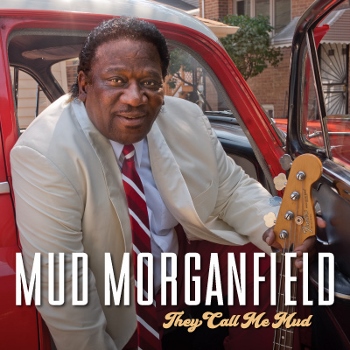 The eldest Morganfield son’s third release on Severn Records following his award-winning Son of the Seventh Son and collaboration with harmonica player Kim Wilson on